Hyundai's Hydrogen Vehicle Vision: Navigating the Path to Customer Acceptance
Bridging the Gap: Cultivating a Market for Hydrogen Vehicles
Hyundai's Unwavering Stance on Hydrogen-Powered Mobility
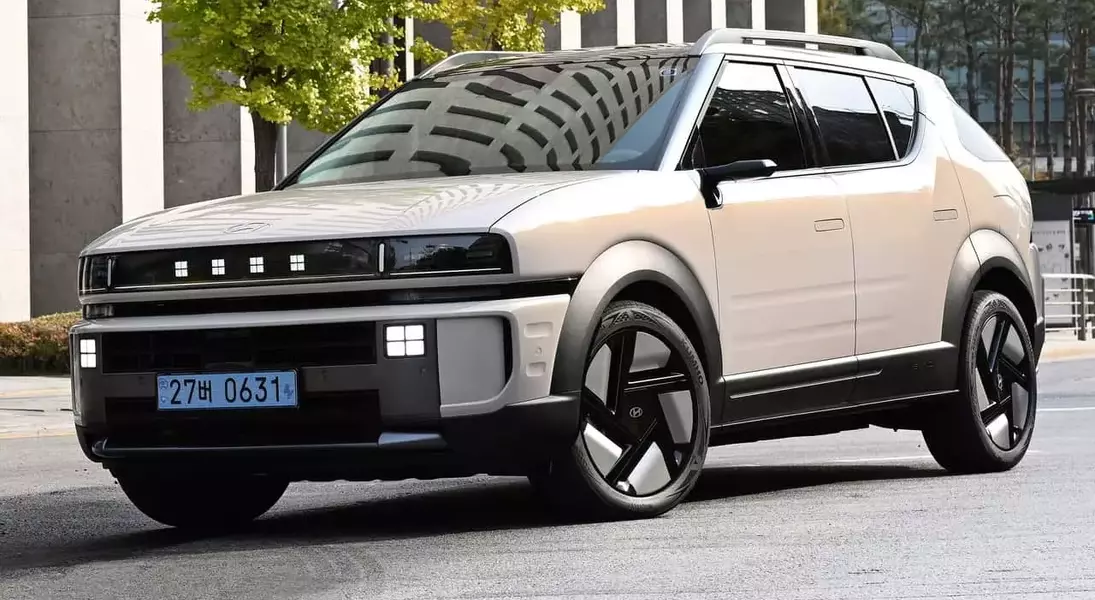
Despite the prevailing trend towards battery-electric vehicles globally, Hyundai steadfastly believes in the potential of fuel-cell technology. The South Korean automotive giant is not abandoning its hydrogen initiatives, recognizing their unique contributions to sustainable transportation. However, a significant challenge remains: cultivating a broad customer base for these innovative vehicles.
The Customer Acquisition Conundrum for Hydrogen Cars
Scott Nargar, Hyundai Australia's Senior Manager of Future Mobility and Government Relations, articulated the core issue, stating that finding customers is the paramount concern for hydrogen vehicles. He affirmed the company's ongoing evaluation of its next-generation fuel-cell car, but candidly admitted that consumer demand continues to be a considerable hurdle. The complexity lies not just in technological development, but in persuading consumers to adopt a vehicle reliant on a currently limited refueling infrastructure, a stark contrast to the burgeoning electric charging networks.
Shared Vision: Other Automakers Embracing Hydrogen
Hyundai is not alone in its pursuit of hydrogen fuel-cell technology. Toyota has also extensively invested in hydrogen, notably with its Mirai sedan, and BMW is progressing with its iX5 Hydrogen, slated for release later this decade. These companies view hydrogen not as a replacement for battery-electric vehicles, but as an additional pathway to reduce emissions. Toyota, in particular, maintains a diversified approach, investing in battery-electric, hybrid, plug-in hybrid, and hydrogen powertrains to address various market needs and environmental goals.
Navigating the Obstacles: Cost and Infrastructure
The slow adoption of hydrogen passenger cars is largely attributable to two critical factors: cost and infrastructure. Fuel-cell technology remains more expensive than battery-electric alternatives, presenting a barrier to entry for many consumers. Furthermore, the severe scarcity of hydrogen refueling stations renders ownership impractical in many regions. Unlike electric vehicles, which benefit from expanding charging options and the convenience of home charging, hydrogen vehicles require specialized, costly infrastructure that is still in its nascent stages of development.
A Diverging Path: Automakers Focusing Elsewhere
While some manufacturers champion hydrogen, others have chosen to pivot away. Mercedes-Benz ceased its hydrogen fuel-cell passenger car development, opting to concentrate resources on battery-powered EVs. Honda also ended production of its Clarity Fuel Cell. Similarly, Volkswagen has cooled on hydrogen, advocating for battery-electric powertrains as a more efficient and practical solution for passenger cars. Stellantis went a step further, discontinuing its hydrogen fuel-cell program and canceling plans for hydrogen-powered commercial vans due to infrastructure limitations and lack of commercial viability. General Motors also shifted its focus entirely to battery electric vehicles. These decisions underscore the formidable challenges and the significant investment required to commercialize hydrogen technology, especially in the absence of robust refueling infrastructure and widespread consumer interest.